How Currency Exchange Volatility Shapes High-Roller Travel Patterns and Table Game Availability at Border-State Resorts
Ellis Lehmann · Aug 1, 2026
How Currency Exchange Volatility Shapes High-Roller Travel Patterns and Table Game Availability at Border-State Resorts
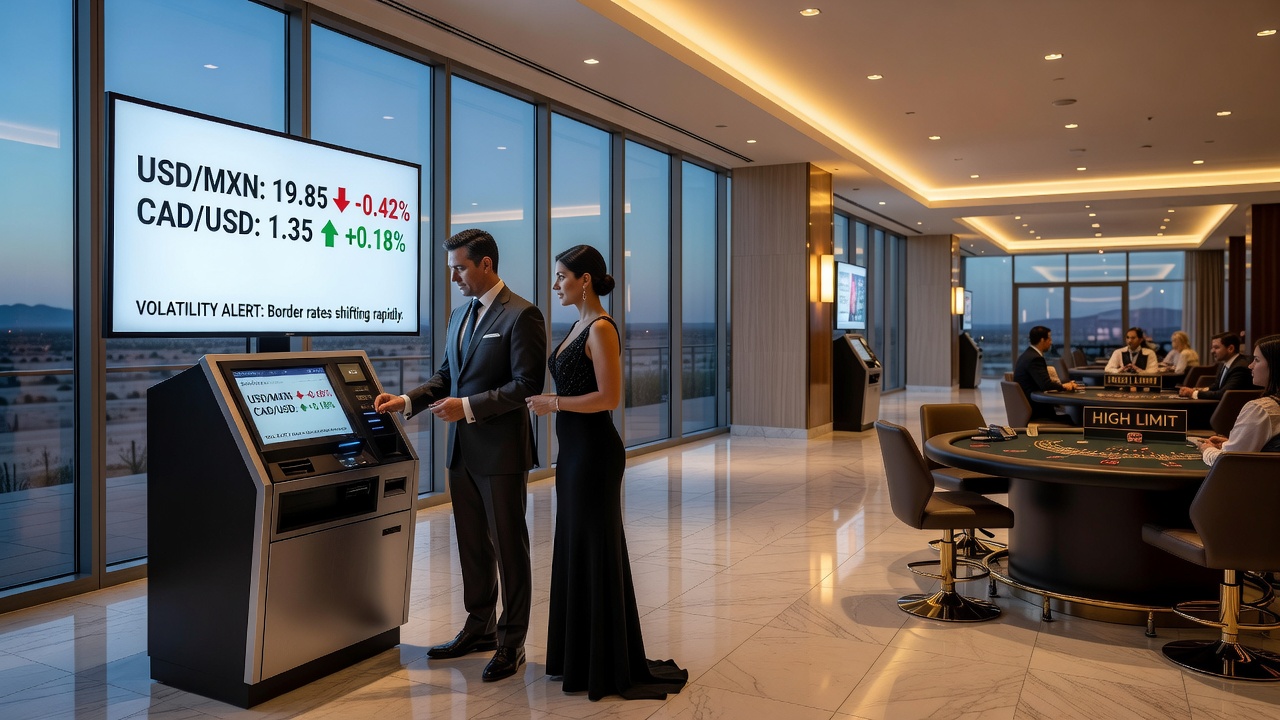
Currency exchange rates between the US dollar and the Canadian dollar or Mexican peso create measurable shifts in high-roller movement toward border-state casinos, and those shifts in turn influence how many high-limit tables operators keep open during peak periods. Observers note that when the Canadian dollar strengthens against the US dollar, travel from Ontario and Quebec into New York and Michigan increases, prompting resorts to expand table game offerings in blackjack, baccarat, and roulette. Data from the US Bureau of Economic Analysis shows tourism receipts from Canadian visitors rose in several quarters when the loonie traded above 0.78 US dollars, and casino operators responded by adding dealer shifts and raising table minimums only after demand materialized.
Exchange Rate Movements and Cross-Border Player Flows
Border-state resorts in Michigan, New York, Arizona, and Texas track daily foreign exchange quotes because even modest swings alter the cost of a weekend trip for high-net-worth visitors. A Canadian player holding CAD 50,000 sees that sum buy more US chips when the exchange rate favors the loonie, and historical records indicate such periods coincide with higher baccarat drop at properties near Niagara Falls and Detroit. Researchers at the Federal Reserve Bank of New York have documented that a 5 percent appreciation of the Canadian dollar correlates with a 12 to 18 percent rise in cross-border vehicle crossings within two weeks, and casino traffic data follows the same pattern. In contrast, peso volatility tied to Mexican economic announcements produces shorter but sharper spikes at Arizona and Texas properties, where operators monitor Bank of Mexico releases to forecast weekend arrivals.
Table Game Adjustments at Resorts Near the Canadian Border
Properties such as those in the Buffalo and Detroit markets maintain dynamic staffing models that respond to real-time currency signals rather than fixed seasonal calendars. When forward exchange contracts suggest sustained CAD strength, floor managers increase the number of $100-minimum baccarat tables and extend operating hours for high-limit blackjack pits. Records from the New York State Gaming Commission reveal that table game revenue per available seat rose during months when the Canadian dollar traded above 0.80, and the same facilities reduced open tables by as much as 25 percent when the rate fell below 0.72. Observers note that dealers and supervisors receive advance notice through internal dashboards that combine exchange data with hotel occupancy forecasts, allowing the resort to avoid overstaffing while still capturing incremental play.
Patterns Emerging from Mexican Peso Fluctuations
Arizona and Texas border resorts experience parallel but distinct dynamics because Mexican high rollers often travel by air and stay for shorter durations. When the peso strengthens, arrivals at Tucson and El Paso properties increase within days, and operators open additional high-limit pai gow poker and craps tables to accommodate the influx. Figures from the Arizona Department of Gaming indicate that table game win from international patrons grew during quarters when the peso crossed 20 US cents, while periods of peso weakness prompted those same resorts to consolidate floor space and redirect staff to lower-limit slots. The shorter lead time in these markets requires tighter coordination between currency desks and casino hosts, who track booking patterns through player loyalty systems updated nightly.
Operational Responses and Staffing Strategies
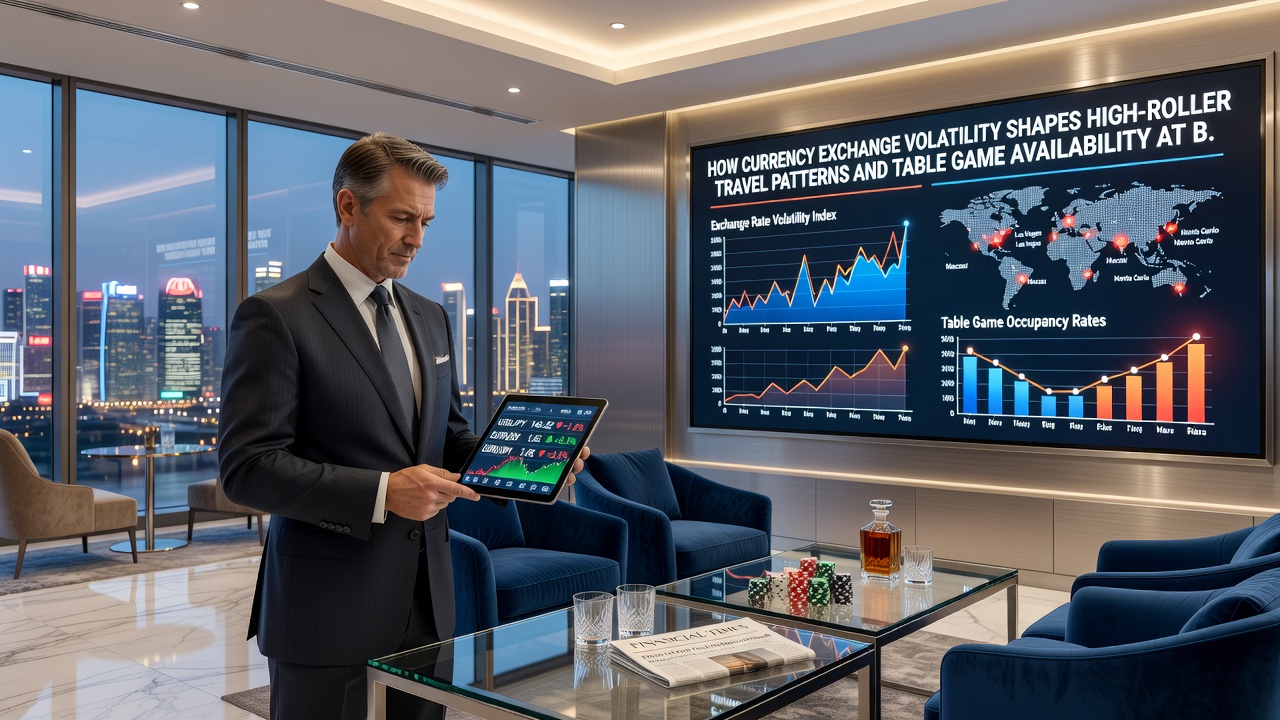
Resort operators integrate currency volatility models into weekly revenue management meetings so that table game availability aligns with projected demand rather than historical averages. When analysts forecast a sustained move in exchange rates, they adjust dealer schedules, order additional chips in foreign denominations, and coordinate with hotels on suite availability. In August 2026, several Michigan properties reported a measurable uptick in Canadian high-roller bookings after the loonie appreciated, and those facilities responded by opening extra baccarat layouts on Friday and Saturday evenings. Similar adjustments occurred at Texas border casinos following peso movements tied to trade policy announcements, where managers temporarily converted mid-limit blackjack tables into higher-limit games to match player preference. These changes remain data-driven, and properties revert to standard configurations once exchange rates stabilize.
Longer-Term Implications for Border-State Gaming Markets
Over multiple years, repeated currency cycles have encouraged border resorts to develop flexible floor plans that allow rapid reconfiguration of table game sections. Modular pit designs and cross-trained dealers enable operators to scale high-limit offerings up or down within 48 hours when exchange data signals a shift. Academic studies from the University of Nevada, Reno, have examined these adaptive strategies and found that properties maintaining such flexibility captured higher international revenue shares during volatile periods than facilities with rigid table counts. The same research indicates that player loyalty programs now incorporate exchange-rate alerts so hosts can extend targeted offers precisely when travel becomes more attractive for foreign high rollers.
Conclusion
Currency exchange volatility continues to serve as a leading indicator for high-roller travel into US border-state resorts, and those travel patterns directly determine how many high-limit table games remain available on any given weekend. Operators in Michigan, New York, Arizona, and Texas have built monitoring systems that combine foreign exchange data with reservation trends, allowing them to adjust staffing and floor layouts in real time. As exchange rates fluctuate, the number of open baccarat, blackjack, and roulette tables rises and falls accordingly, reflecting measurable demand rather than fixed seasonal assumptions. This responsive approach keeps table game availability aligned with actual player movement across the borders.