How Regional Licensing Rules Shape No-Deposit Incentives for New Virtual Casino Players
Ellis Lehmann · May 20, 2026
How Regional Licensing Rules Shape No-Deposit Incentives for New Virtual Casino Players
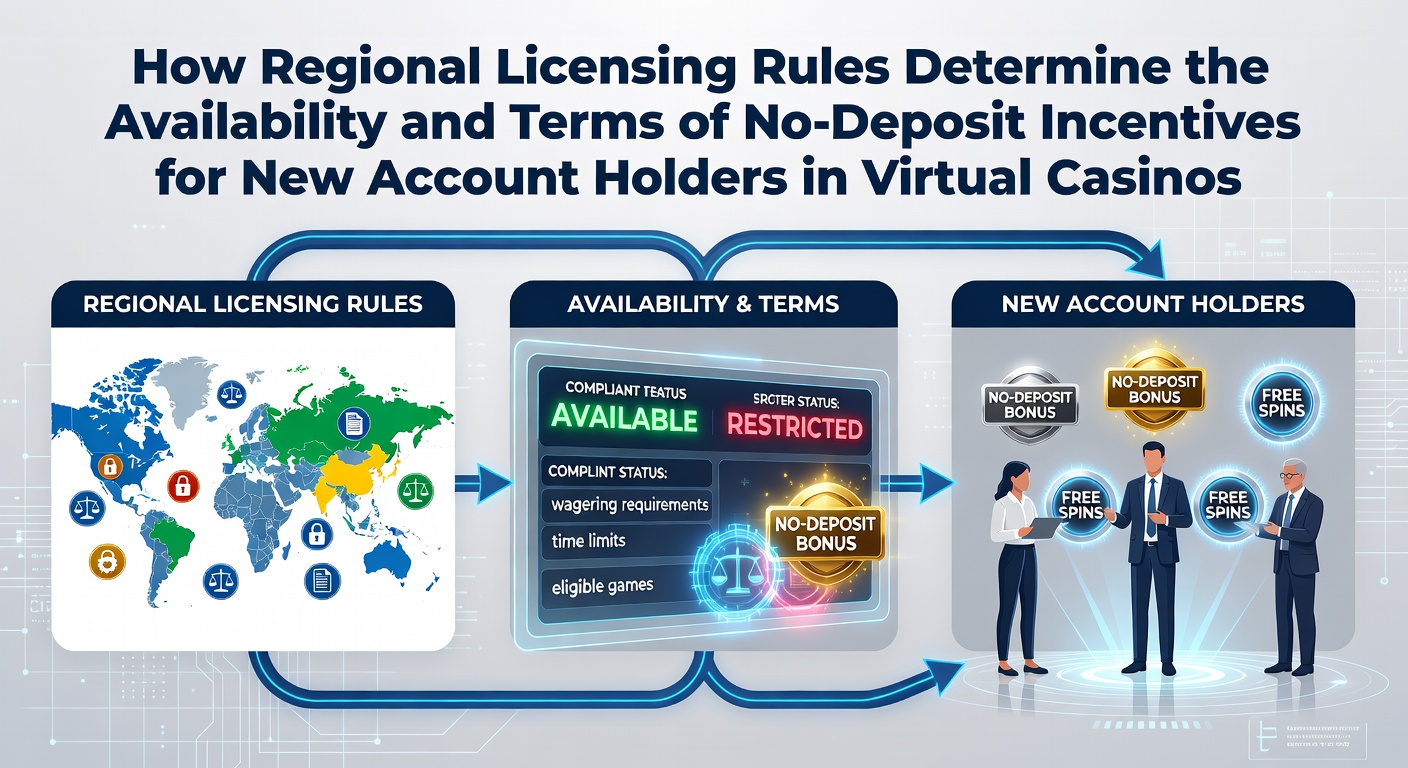
Regional licensing rules set the boundaries for no-deposit incentives that virtual casinos offer new account holders, and these frameworks vary sharply across jurisdictions because each authority imposes its own standards for consumer protection, financial oversight, and operator compliance. Operators must secure a license from the relevant regulatory body before they can promote or deliver such bonuses, which means the presence, size, and conditions attached to a no-deposit offer often reflect the strictness of the local regime rather than market demand alone.
Core Elements of Licensing That Influence Bonus Terms
Licensing bodies examine an operator’s financial reserves, game fairness certifications, and responsible gambling protocols before granting permission to run promotions, and these examinations directly affect how no-deposit incentives reach players. A license that requires detailed reporting of bonus outcomes typically leads to stricter wagering requirements and shorter validity periods because regulators want to limit potential player losses and prevent bonus abuse. In contrast, jurisdictions that prioritize rapid market entry may allow operators more flexibility in structuring welcome offers, resulting in longer playthrough periods or higher maximum cash-out limits.
United States State-by-State Variations
Within the United States, each state that has legalized online casino activity maintains its own licensing criteria through bodies such as the New Jersey Division of Gaming Enforcement or the Pennsylvania Gaming Control Board. These agencies review promotional material before operators launch campaigns, which means a no-deposit bonus available to New Jersey residents might carry a 20x wagering requirement while the same operator’s Pennsylvania platform imposes a 30x multiplier on identical credits. Data from state compliance reports show that operators adjust bonus values and eligibility windows to align with each state’s audit cycle, and this practice produces noticeable differences in the offers presented to new account holders depending on their verified location.
European and Canadian Regulatory Approaches
European licensing authorities, including the Malta Gaming Authority and the Swedish Gambling Authority, enforce detailed rules on bonus transparency that require clear disclosure of terms at the point of offer. Operators licensed in these regions must display maximum bet limits and expiration dates within the registration flow, and failure to comply can result in fines or license suspension. Canadian provinces that have opened regulated markets, such as Ontario through its Alcohol and Gaming Commission, follow similar patterns while adding requirements for age verification and self-exclusion integration that further shape how no-deposit credits function for first-time users.
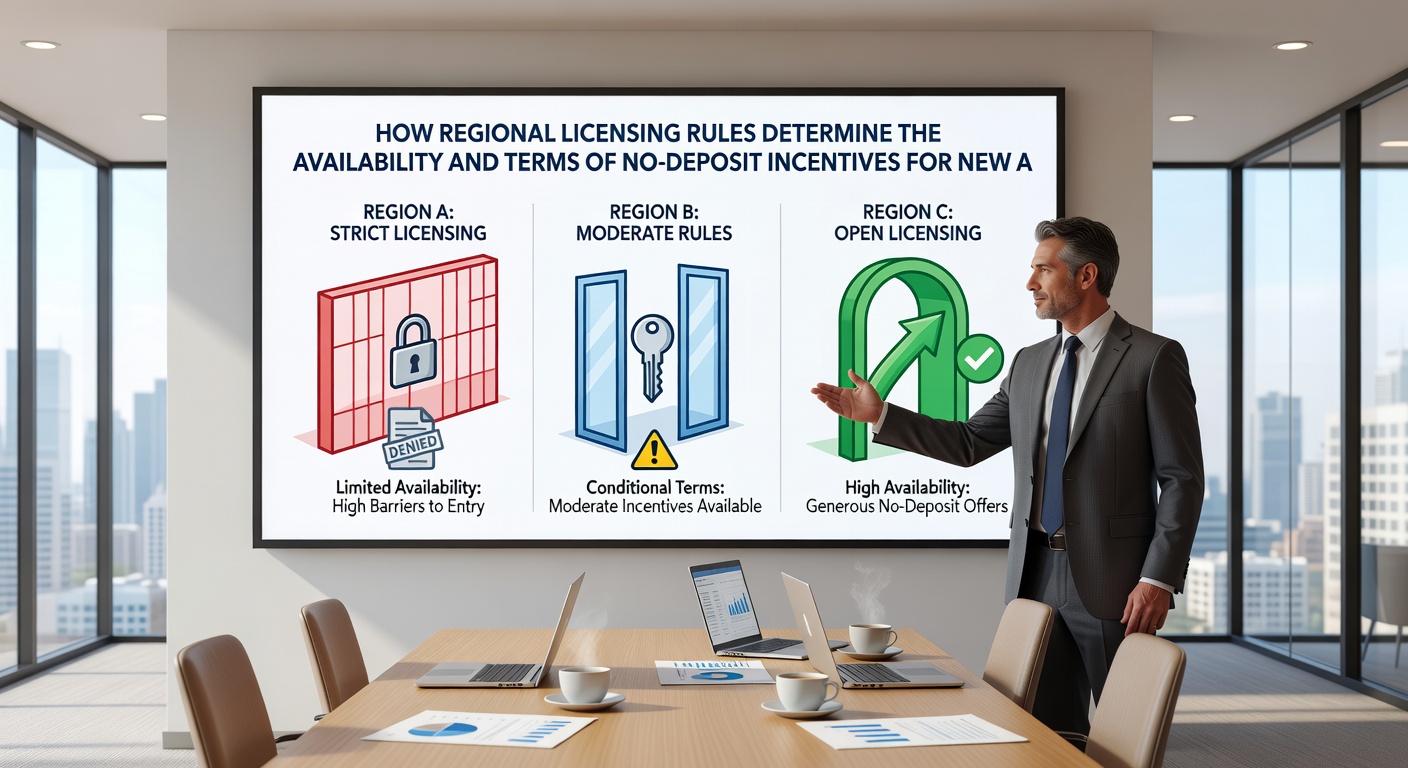
Observers note that these layered requirements create a patchwork where a player in one province may receive a no-deposit spins package with a 40x playthrough while a counterpart in a neighboring province sees the same package limited to 25x because the local license demands faster bonus conversion. Industry reports indicate that operators often maintain separate bonus engines for each licensed market to satisfy these divergent rules without risking regulatory action.
Australian and Emerging Market Considerations
Australian federal and state rules around online gambling place additional restrictions on promotional incentives, particularly those that require no initial deposit, and operators must ensure that any such offers comply with harm-minimization standards set by bodies like the Australian Communications and Media Authority. Licensing conditions in these regions frequently cap the value of no-deposit credits and mandate prominent responsible gambling messaging, which reduces the headline amounts compared with less restrictive markets. As of May 2026, several Australian states continue to refine their oversight of virtual casino promotions, and early compliance filings suggest that new license applicants are preparing bonus structures with built-in loss limits to meet anticipated updates.
Emerging markets in Latin America and parts of Asia introduce yet another layer of complexity because some jurisdictions grant temporary or conditional licenses that emphasize rapid revenue collection over detailed bonus scrutiny. In these environments, operators may launch generous no-deposit incentives to attract players quickly, yet the same operators later tighten terms once permanent licensing standards take effect. Research from regional gaming associations shows that players in these areas encounter frequent changes to bonus availability tied directly to shifts in licensing status.
Practical Effects on New Account Holders
New account holders experience these licensing differences most directly through eligibility checks and account verification steps that operators embed to prove compliance. A player who registers from a jurisdiction with stringent anti-money-laundering rules may find that a no-deposit bonus activates only after full identity verification, whereas a less regulated region might release the same bonus upon simple email confirmation. These procedural variations arise because each license demands specific safeguards, and operators program their platforms to enforce them automatically.
Studies conducted by university research centers focused on gambling policy have documented how these regional differences influence player behavior across borders. One analysis of registration data revealed that players in tightly licensed markets tend to complete bonus playthrough requirements at lower rates, partly because the attached terms reflect higher regulatory thresholds for risk management. Operators respond by tailoring marketing messages and bonus values to the expectations created by each local license rather than offering a uniform global promotion.
Conclusion
Regional licensing rules ultimately decide which no-deposit incentives appear, how large they can be, and what conditions new account holders must meet before withdrawing any winnings. Because every licensing authority sets its own compliance priorities, operators maintain distinct promotional frameworks for each regulated market, and players encounter these variations as soon as they begin the registration process. The result is a global landscape where availability and terms of such incentives remain tightly coupled to the specific regulatory environment governing each virtual casino.