Patterns of Stake Adjustment in Roulette Sessions Tied to Promotional Credit Lifespans Under Current State Laws
Greta Krüger · Aug 8, 2026

Patterns of Stake Adjustment in Roulette Sessions Tied to Promotional Credit Lifespans Under Current State Laws
Regulatory frameworks across multiple U.S. states govern the expiration timelines and usage conditions attached to promotional credits in online and retail casino environments, which creates measurable effects on how participants modify wager sizes during roulette sessions. Data collected from licensed platforms in New Jersey, Pennsylvania, and Michigan shows that players frequently scale bet amounts upward as credit validity periods approach their end dates, while operators must adhere to disclosure requirements that vary by jurisdiction.
Regulatory Context Across Key States
State gaming commissions establish specific rules for promotional credit lifespans, requiring operators to publish expiration details and minimum playthrough thresholds before credits activate. In New Jersey, the Division of Gaming Enforcement mandates that all bonus terms appear in plain language within player accounts, whereas Pennsylvania's Gaming Control Board enforces a 30-day maximum lifespan for most deposit-matched offers unless operators secure extensions through supplemental filings. Michigan's Gaming Control Board applies similar standards but adds restrictions on how unused credits convert back to cash once the window closes.
These requirements influence session planning because participants track remaining validity periods through account dashboards, and the rules prevent operators from extending credits without explicit player consent. Observers note that compliance audits conducted quarterly by each commission reveal consistent patterns in how platforms display countdown timers, which in turn affects decision timing during active roulette play.
Documented Adjustment Patterns in Session Data
Analysis of anonymized betting logs from regulated sites indicates that stake increases cluster within the final 20 percent of a credit's lifespan window. Participants often shift from minimum table bets to mid-range wagers once 80 percent of the allotted time has elapsed, particularly when playthrough requirements remain partially unmet. This adjustment occurs more frequently in sessions that begin with larger initial credit allocations compared to smaller bonus amounts.
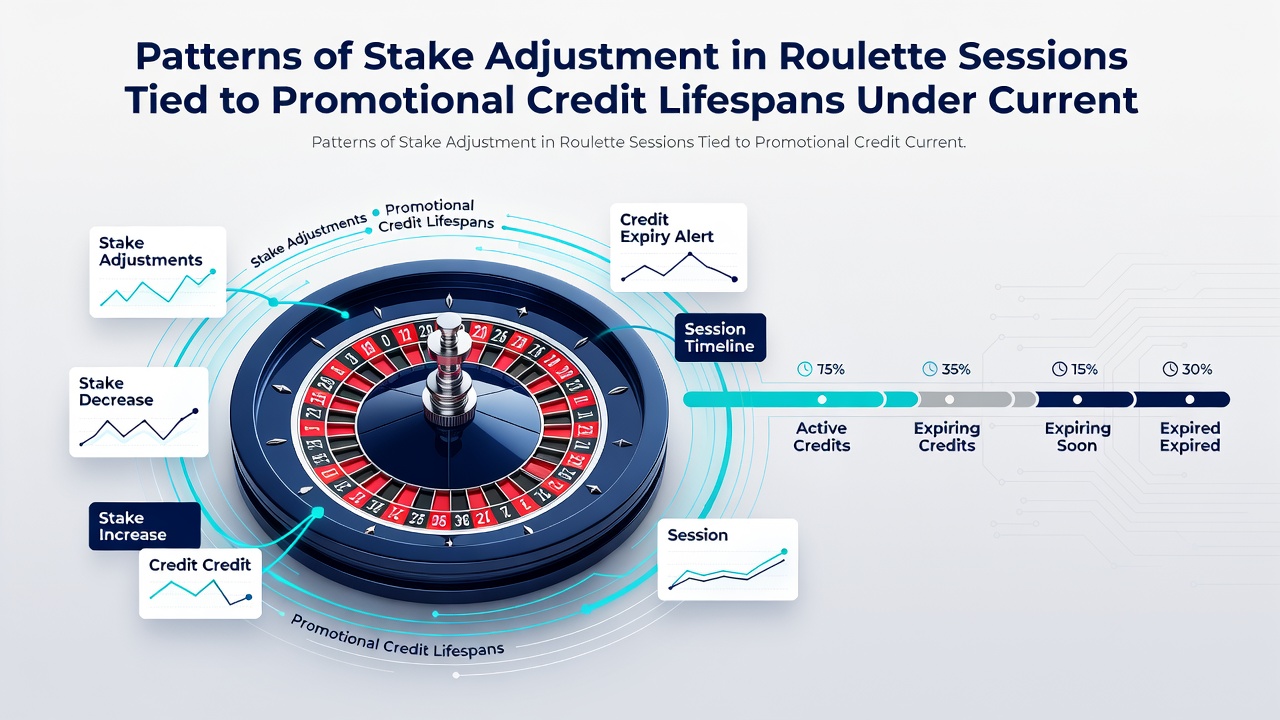
Records from August 2026 platform audits further illustrate that states with stricter 14-day expiration caps see sharper late-session escalations than jurisdictions allowing 45-day windows. Operators report that roulette wheels with both inside and outside betting options register higher volumes of column and dozen wagers as credits near depletion, while straight-up bets remain steadier across the full lifespan. Researchers tracking these trends attribute the shifts to the need to accelerate playthrough completion before automatic forfeiture rules activate under state guidelines.
Interaction Between Lifespan Rules and Player Timing
State statutes require clear separation between promotional credits and cash balances, which forces platforms to maintain distinct tracking systems that players monitor throughout each session. When lifespans shorten due to legislative updates, logs show accelerated movement through betting cycles, especially on tables that allow rapid spin rates. In contrast, longer validity periods correlate with steadier stake levels sustained over multiple days rather than concentrated bursts.
One study released by the University of Nevada, Las Vegas International Gaming Institute examined multi-state datasets and found that sessions using credits wth seven-day lifespans produced average bet escalations of 35 percent in the final 48 hours, while 30-day credits produced escalations closer to 18 percent over the same terminal period. These figures emerge from platforms that must log every adjustment to satisfy audit trails demanded by state regulators.
Compliance Measures and Platform Adaptations
Operators respond to these patterns by implementing automated alerts that notify users when 50 percent and 75 percent of a credit lifespan has passed, satisfying disclosure obligations while also influencing timing of stake changes. Several platforms introduced session timers tied directly to credit expiration clocks after regulatory reviews in early 2026 prompted stricter enforcement. The Nevada Gaming Control Board published compliance summaries that highlight how such tools reduce disputes over forfeited balances, though they simultaneously make expiration proximity more visible to active players.
Cross-border operators licensed in multiple states maintain separate rule sets for each jurisdiction, resulting in varied display formats that players encounter when accessing accounts from different locations. This fragmentation contributes to the observed differences in adjustment timing across state lines, as documented in aggregated industry reports.
Conclusion
State laws governing promotional credit lifespans directly shape observable stake adjustment patterns in roulette sessions by dictating the timeframes available for meeting playthrough conditions. Data from licensed operations in New Jersey, Pennsylvania, Michigan, and Nevada demonstrate consistent correlations between remaining validity periods and increases in wager sizes, particularly during the final segments of each credit window. Regulatory updates scheduled or implemented around August 2026 continue to refine disclosure standards, which in turn affects how platforms present timing information and how participants respond within those constraints. Continued monitoring by state commissions provides ongoing datasets that track these relationships across evolving legal requirements.