Payment Gateway Outages Ripple Through U.S. Real-Time Betting Markets
Ellis Lehmann · Jun 29, 2026
Payment Gateway Outages Ripple Through U.S. Real-Time Betting Markets
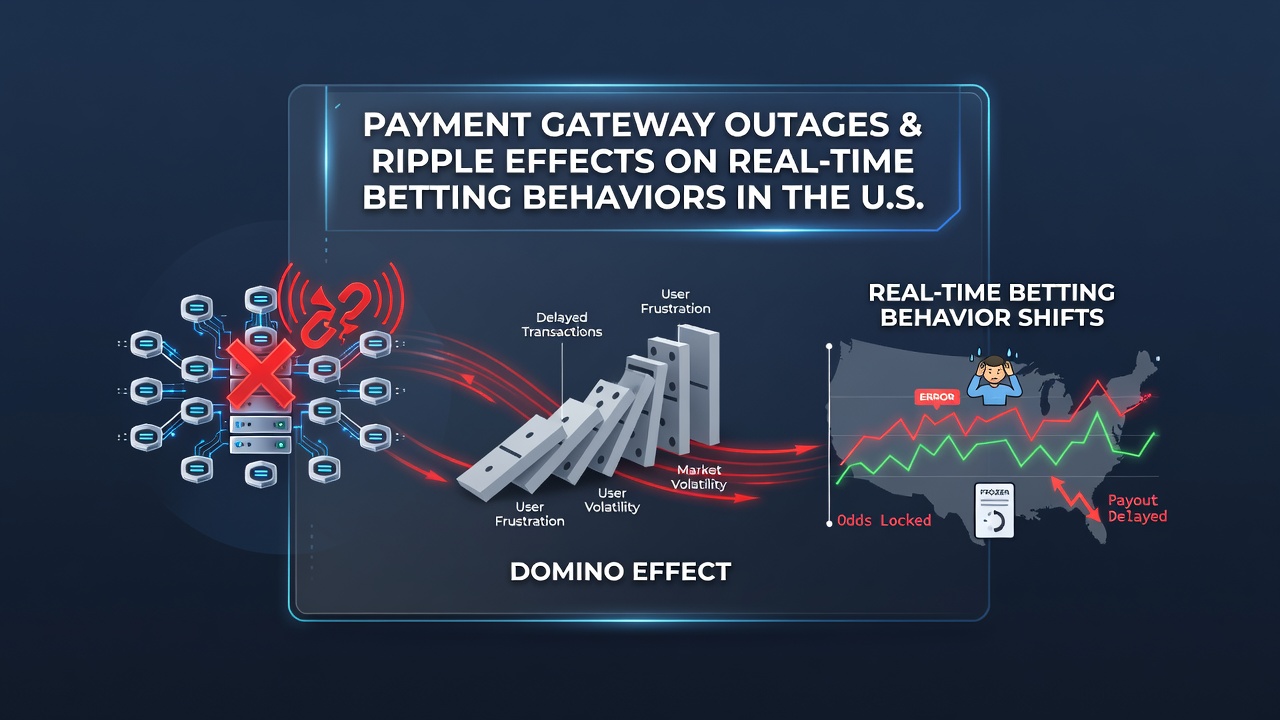
Payment gateway outages create immediate disruptions across U.S. online gambling platforms where real-time betting depends on seamless financial transactions, and these interruptions alter how bettors place wagers during live events. Systems that handle deposits and withdrawals for sportsbooks and casino sites experience failures when server loads spike or third-party processors encounter technical issues, leading to halted transactions that force users to pause or abandon their activity mid-session.
Common Triggers Behind Gateway Failures
Network congestion during major sporting events often overwhelms payment processors that manage high volumes of micro-transactions, while software updates rolled out without sufficient testing introduce bugs that block authorization requests. Data from state regulators indicates that peak periods around NFL playoffs and March Madness see transaction volumes rise sharply, and this surge exposes vulnerabilities in legacy infrastructure that many operators still rely on. Observers note that cybersecurity incidents, including distributed denial-of-service attacks targeting financial intermediaries, compound these problems and extend downtime from minutes into hours.
Behavioral Shifts Among Bettors During Disruptions
When gateways go offline bettors frequently switch to alternative funding methods such as e-wallets or prepaid cards that remain operational, yet those without quick access to backups often delay or cancel planned wagers entirely. Research from the University of Nevada, Reno shows that session lengths drop by an average of 35 percent during outages that last longer than 15 minutes, while users who persist tend to reduce stake sizes because they cannot reload accounts promptly. Patterns emerge where bettors migrate to platforms with redundant processors, and this movement creates temporary spikes in traffic on unaffected sites that sometimes trigger secondary slowdowns.
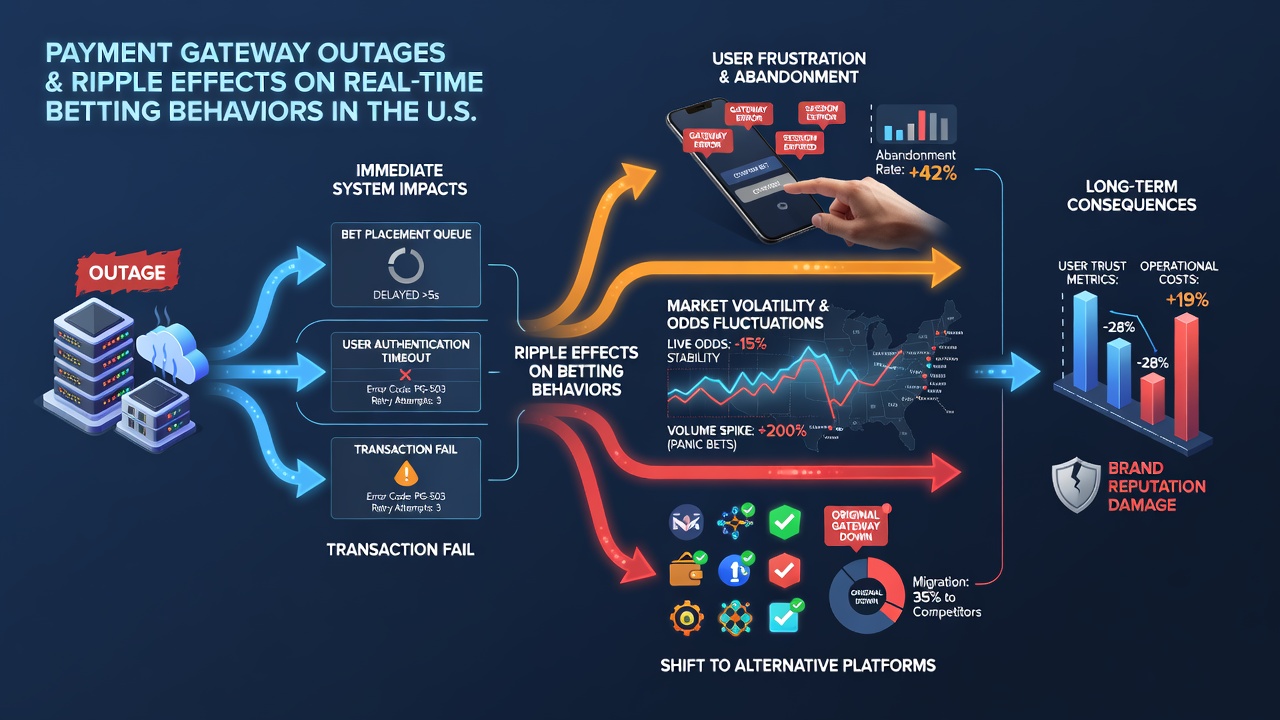
Real-time betting markets feel these effects most acutely because odds shift continuously, and missed windows mean bettors lose opportunities that cannot be recovered later. Figures from the New Jersey Division of Gaming Enforcement reveal that handle volume in sports wagering fell nearly 12 percent during a notable June 2026 outage that struck several major processors simultaneously, with recovery taking up to four hours before full functionality returned. Those who study player data observe that repeat users develop habits of maintaining multiple accounts across different gateways precisely to mitigate such risks, though this strategy increases administrative overhead for operators who must reconcile fragmented transaction records.
Broader Market Consequences and Recovery Patterns
Operators respond to outages by activating backup processors or temporarily suspending certain bet types until systems stabilize, actions that limit further losses but frustrate users who expect uninterrupted access. Industry reports compiled by the American Gaming Association document how prolonged downtime correlates with measurable declines in daily active users, particularly among mobile bettors who abandon sessions when payments fail repeatedly. Recovery phases show interesting rebounds where wagering volumes exceed baseline levels once service resumes, suggesting pent-up demand builds during the interruption itself.
Regional variations appear across states wth differing regulatory frameworks, since platforms licensed in multiple jurisdictions must coordinate compliance checks that slow restoration efforts. Canadian regulatory analyses of cross-border transaction patterns indicate that U.S. markets experience more fragmented responses because payment rules vary between states, whereas unified systems elsewhere allow faster rerouting of funds. Bettors in states like Pennsylvania and Michigan demonstrate higher tolerance for brief outages compared to those in newer markets where infrastructure remains less mature.
Conclusion
Payment gateway outages continue to shape real-time betting dynamics in U.S. markets by prompting immediate behavioral adjustments and longer-term adaptations among both operators and users. Data collected through 2026 highlights the interconnected nature of financial processing and wagering activity, where even short disruptions produce ripple effects that extend beyond the initial failure. Regulators and technology providers work to strengthen redundancies, yet the fundamental dependence on external processors means vulnerabilities persist whenever transaction volumes surge or external threats materialize.