Regional Economic Indicators Shape Minimum Wager Rules for Electronic Table Games Across Midwestern Expansion Zones
Sam Friedrich · Jun 27, 2026
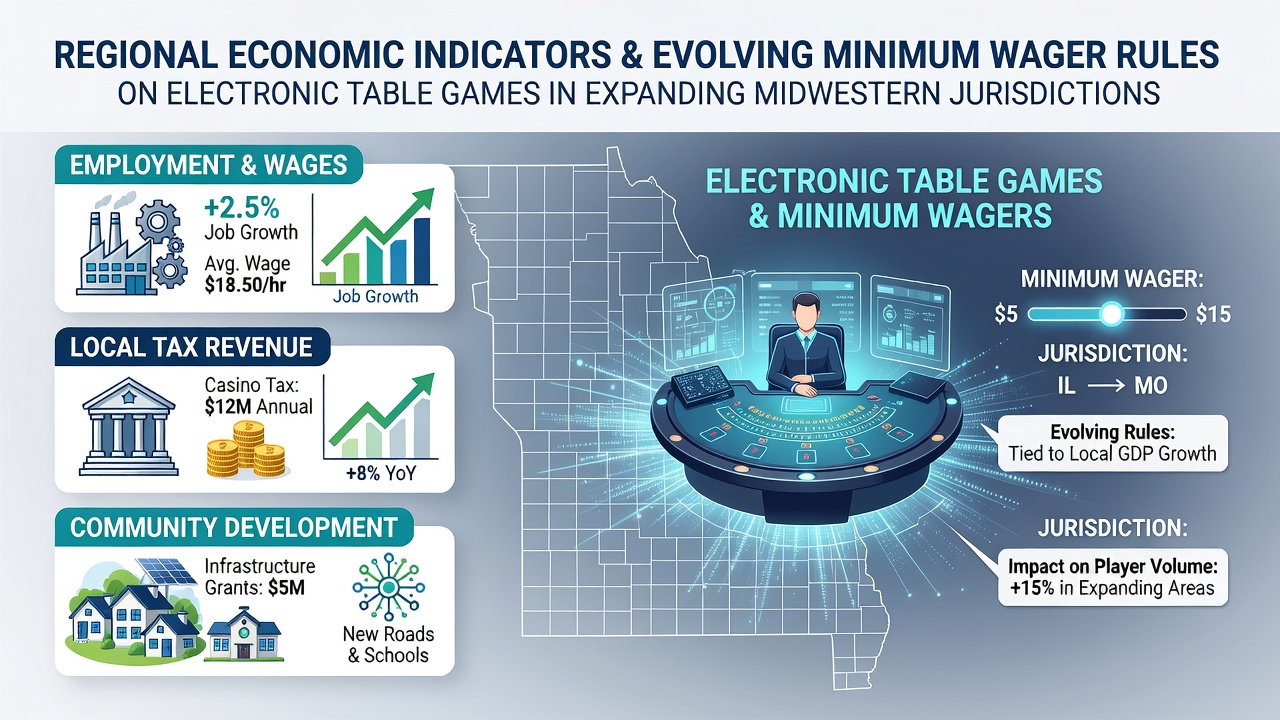
Regional Economic Indicators Shape Minimum Wager Rules for Electronic Table Games Across Midwestern Expansion Zones
Regional economic indicators such as unemployment rates, per capita income shifts, and tourism revenue data continue to influence how regulators adjust minimum wager thresholds on electronic table games throughout expanding Midwestern jurisdictions, where states like Ohio, Michigan, and Indiana have accelerated licensing for video blackjack, roulette, and baccarat terminals since 2023. Data from state gaming commissions reveal that jurisdictions experiencing slower job growth often approve lower entry points on these machines to sustain player volume, while areas posting stronger quarterly GDP figures maintain or raise those thresholds to protect operator margins.
Economic Metrics Driving Regulatory Adjustments
Observers note that unemployment figures released each quarter by the Bureau of Labor Statistics correlate directly with minimum bet changes in states where electronic table games now operate under expanded commercial licenses. When jobless rates climbed above 4.8 percent in parts of northern Ohio during early 2025, the Ohio Casino Control Commission approved reductions in the floor minimum on multi-game terminals from $5 to $2 at two properties, allowing operators to report steadier daily handle despite softer local spending. Similar patterns emerged in Michigan, where the Gaming Control Board reviewed employment data alongside casino revenue reports before green-lighting a pilot program that let select Detroit-area venues drop minimum wagers on electronic craps to $1 during off-peak weekday hours.
Per capita income trends tracked by the Federal Reserve Bank of Chicago further illustrate the connection. Jurisdictions showing stagnant wage growth between 2024 and 2025 submitted more frequent requests to lower electronic table game limits, citing the need to keep participation rates steady as household discretionary funds tightened. In contrast, counties around Indianapolis reported rising median incomes and saw regulators maintain $5 minimums on video poker variants while approving new terminal deployments in high-traffic corridors.
State-Level Case Examples
Indiana’s gaming commission released figures in late 2025 showing that electronic table game revenue grew 11 percent year-over-year after several properties lowered minimum wagers on roulette terminals from $3 to $1 during summer months when tourism data dipped. The adjustment aligned with state employment reports that flagged seasonal slowdowns in manufacturing districts, prompting operators to recalibrate machine settings to preserve floor traffic. Michigan followed a parallel path when Detroit casinos tied minimum bet changes to monthly visitor counts compiled by the local convention bureau, resulting in tiered pricing that fluctuated with regional hotel occupancy statistics.
Ohio’s experience highlights how broader economic indicators extend beyond employment numbers. State revenue department data on retail sales and gas tax collections served as proxy measures for consumer confidence, guiding the Casino Control Commission’s decision to keep minimum wagers unchanged at $5 across most electronic table game banks in Columbus and Cincinnati even as neighboring jurisdictions experimented with reductions. Those stable thresholds coincided with stronger than expected tourism numbers tied to major league sports events.
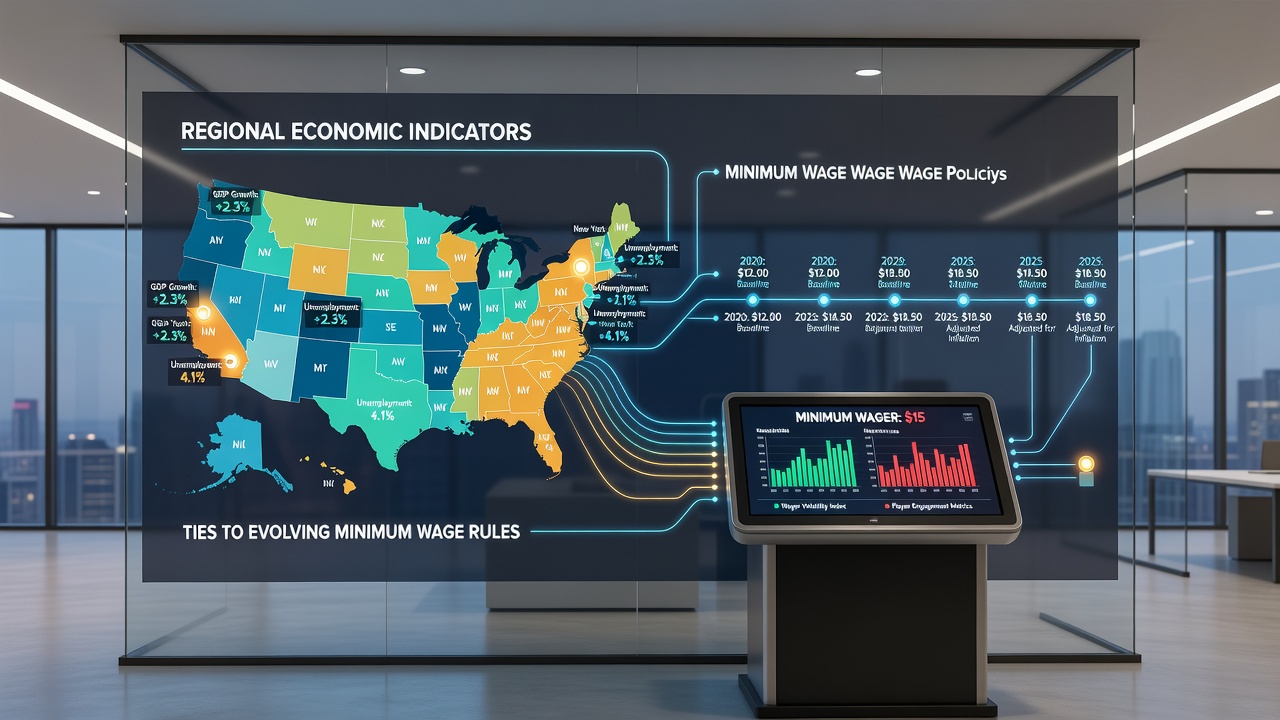
Projected Developments Through Mid-2026
Regulators in Illinois and Iowa have signaled they will review June 2026 economic forecasts before finalizing any further minimum wager modifications on newly authorized electronic table game floors. Preliminary projections from the Illinois Department of Revenue link anticipated manufacturing output gains to potential increases in the floor minimum from $2 to $3 at several riverboat properties, while Iowa officials have indicated they will monitor agricultural commodity prices as an additional indicator when setting terminal parameters for the coming fiscal year. These forthcoming reviews underscore how states continue to treat regional economic data as a core input rather than a secondary consideration.
Industry reports compiled by the Midwest Gaming Association further demonstrate that operators track consumer price index readings alongside player session lengths when submitting adjustment proposals. Venues in markets where inflation outpaced wage growth submitted documentation showing shorter average play times, prompting regulators to consider modest minimum reductions to extend engagement without altering overall hold percentages.
Revenue and Participation Outcomes
Figures released by the Indiana Gaming Commission show that properties implementing lower minimums on electronic table games during periods of elevated regional unemployment maintained daily device counts above prior-year levels, even as total win per unit remained flat. Michigan data similarly indicate that dynamic minimum wager schedules tied to monthly economic releases produced steadier statewide tax contributions compared with static pricing models used in earlier years. Observers tracking these outcomes point to the consistent use of unemployment, income, and tourism metrics as the common thread across jurisdictions that achieved more predictable revenue streams.
Conclusion
Regional economic indicators remain central to how Midwestern regulators calibrate minimum wager rules on electronic table games as additional jurisdictions bring new terminals online. Employment rates, income trends, tourism statistics, and inflation measures each supply concrete inputs that shape decisions on floor minimums, with states adjusting thresholds in response to quarterly data releases rather than fixed schedules. As June 2026 approaches, ongoing reviews in Illinois, Iowa, and neighboring states will continue to reflect these same linkages, producing wager structures that track measurable economic conditions across expanding commercial and tribal gaming markets.