Soundtracks Behind the Reels: How Licensed Platforms Calibrate Audio Layers to Shape Session Patterns in Digital Slot Networks
Sam Friedrich · Aug 12, 2026
Soundtracks Behind the Reels: How Licensed Platforms Calibrate Audio Layers to Shape Session Patterns in Digital Slot Networks
Digital slot networks operate under licensed frameworks that require precise calibration of audio layers, and these systems combine background tracks, reel spins, win chimes, and ambient effects into sequences that align with player behavior metrics tracked across sessions. Platforms collect data on spin frequency, bet adjustments, and time spent per game, then feed those inputs into audio engines that modulate volume, tempo, and layer prominence without violating regulatory caps on sensory stimulation. In August 2026 several multi-state operators rolled out updated calibration protocols that synchronize audio shifts with real-time session analytics drawn from central servers in New Jersey and Pennsylvania.
Audio Layer Construction in Regulated Environments
Licensed platforms build audio from discrete stems that include low-frequency bass loops for tension, mid-range melodic motifs that accelerate during bonus triggers, and high-frequency percussive hits that mark symbol alignments. Each stem receives independent gain control so the system can emphasize one element while attenuating others based on predefined thresholds tied to average session length. Data from network logs show that when platforms raise the relative volume of win chimes by 3 to 5 decibels during streaks of small payouts, the average number of spins per session increases by measurable increments recorded in internal reports.
Engineers program these adjustments through middleware that references player history stored on encrypted servers, and the same middleware enforces jurisdictional limits on total audio output so that no combination exceeds limits set by state gaming authorities. Observers note that Australian regulatory filings and Canadian provincial audits both reference similar layer-balancing techniques, although the exact decibel thresholds differ by jurisdiction.
Session Pattern Modulation Through Sound Design
Session patterns emerge when audio cues coincide with game events that encourage continued play or prompt bet-size changes. A near-miss sequence accompanied by a rising synth tone followed by a quick decay tends to correlate with extended play intervals according to aggregated telemetry released by several North American operators. Platforms adjust the duration of that tone in 200-millisecond increments across different game titles, and the variations produce distinct dwell-time distributions visible in heat-map visualizations shared at industry conferences.
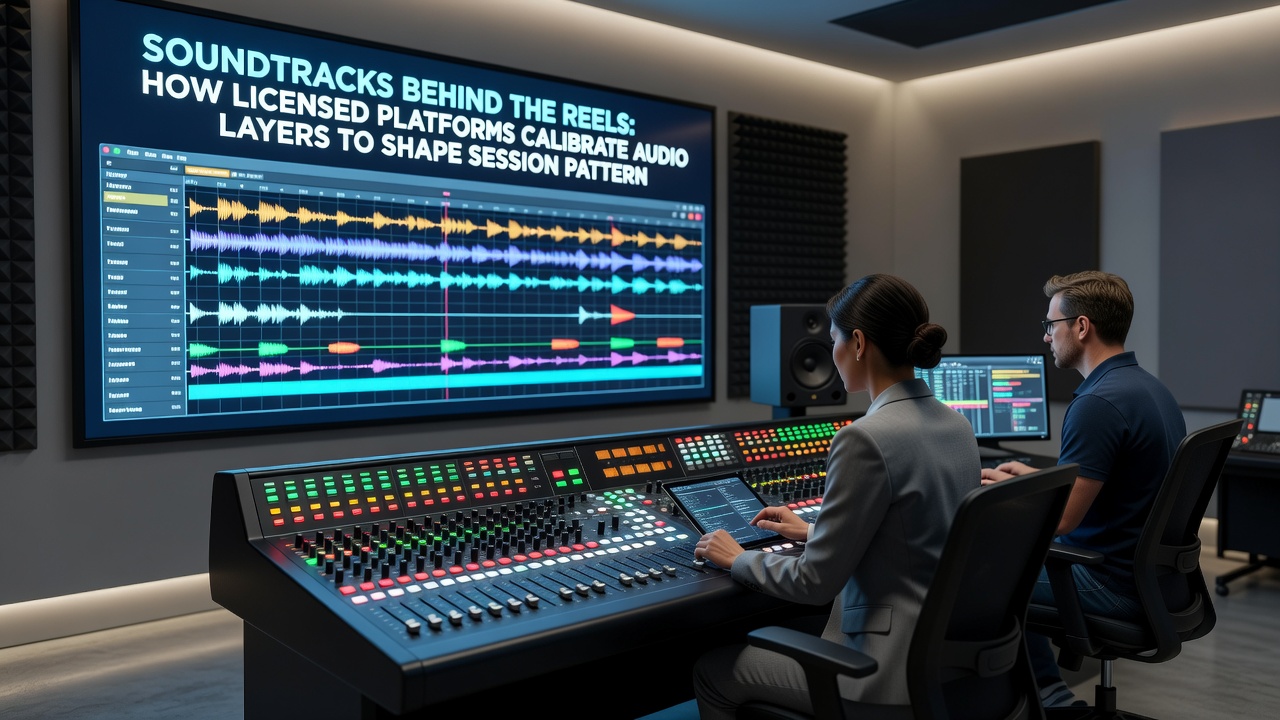
Research compiled by the International Gaming Institute at the University of Nevada indicates that tempo increases of 10 to 15 beats per minute during free-spin rounds correspond with higher bet-per-spin values in the subsequent base game. The same studies record that platforms licensed in multiple states maintain separate audio profiles for each jurisdiction to accommodate local rules on sensory intensity, and these profiles undergo quarterly audits that verify compliance through waveform analysis rather than subjective listening tests.
Technical Integration and Compliance Mechanisms
Integration occurs at the game server level where audio files sit alongside RNG outputs and payout tables. When a player logs in, the platform loads a session-specific audio configuration that references both historical behavior and current regulatory parameters. Real-time adjustments happen through APIs that communicate with the audio engine every few spins, and the engine logs every change for later inspection by compliance teams. European operators under the Malta Gaming Authority and Spanish Dirección General de Ordenación del Juego employ comparable logging requirements, which allows cross-border comparisons of how audio calibration affects session metrics.
Those comparisons reveal that platforms using adaptive layering report narrower variance in session length across demographic segments, a pattern documented in technical white papers circulated among members of the American Gaming Association. The calibration routines also incorporate fallback modes that revert to neutral audio settings if network latency exceeds set thresholds, thereby preventing unintended amplification during connectivity fluctuations.
Regional Variations in Audio Calibration Practices
North American networks emphasize rapid layer switching to match high-volume spin rates common in online environments, whereas operators in parts of Asia apply slower modulation curves that align with longer average session durations recorded in local market data. These differences appear in technical specifications submitted during license renewals, and they reflect both cultural preferences and distinct regulatory language regarding player protection. In 2026 several platforms introduced region-locked audio presets that activate automatically when geolocation services detect a player crossing state lines, and the change reduced the need for manual overrides during multi-jurisdictional play.
Conclusion
Licensed platforms continue to refine audio calibration methods that link sound layers directly to measurable session variables, and the process relies on continuous data streams rather than static design choices. As networks expand across additional states and provinces, the same calibration frameworks adapt to new regulatory inputs while preserving the core mechanism of aligning audio events with observed player patterns.