Uncovering Patterns in Player Behavior When Redeeming Promotional Credits Across Jurisdictions with Distinct Licensing Frameworks
Anna Koch · Jul 11, 2026

Uncovering Patterns in Player Behavior When Redeeming Promotional Credits Across Jurisdictions with Distinct Licensing Frameworks
Regulatory environments shape how players approach promotional credits in online gaming platforms, and data collected across multiple markets reveals consistent differences tied directly to licensing requirements. Jurisdictions impose varying wagering thresholds, redemption windows, and verification protocols that influence when and how often participants convert bonuses into playable funds or cashouts.
Regulatory Structures and Their Direct Effects
Licensing bodies set the rules that operators must follow when issuing promotional credits, and these parameters create measurable shifts in player activity. In markets with strict playthrough mandates, such as certain U.S. states under the New Jersey Division of Gaming Enforcement, redemption rates show slower initial uptake followed by concentrated activity near deadline periods. Operators track these sequences through timestamped transaction logs that highlight clusters of redemptions occurring 48 to 72 hours before expiration.
By contrast, frameworks that allow faster conversion paths, including several Canadian provincial systems, display steadier daily redemption volumes distributed more evenly across the credit validity period. Researchers tracking these patterns note that shorter mandatory hold periods correlate with higher frequencies of partial redemptions rather than full exhaustion of the credit balance in single sessions.
Behavioral Data Across Borders
Transaction records from multi-jurisdictional operators demonstrate that players adjust their redemption timing based on local rules rather than personal preference alone. In regions requiring identity verification before any credit becomes active, average time from bonus claim to first redemption stretches by several days compared with markets that permit immediate use after registration. This delay appears consistently across datasets regardless of game type or credit size.
July 2026 brought updated reporting standards in select Australian states that now require operators to submit granular redemption timelines broken down by player cohort. Early figures from those submissions indicate that loyalty-tiered users complete redemptions at higher rates when frameworks tie bonus values to ongoing account activity rather than one-time deposits.
Comparative Redemption Sequences
Operators managing platforms across both European and North American licenses document parallel yet distinct sequences. Players subject to higher minimum wagering multipliers tend to spread redemptions over multiple smaller bets, while those facing lower thresholds often consolidate activity into fewer, larger wagers once credits activate. These sequences emerge clearly when analysts segment data by jurisdiction rather than by individual operator.
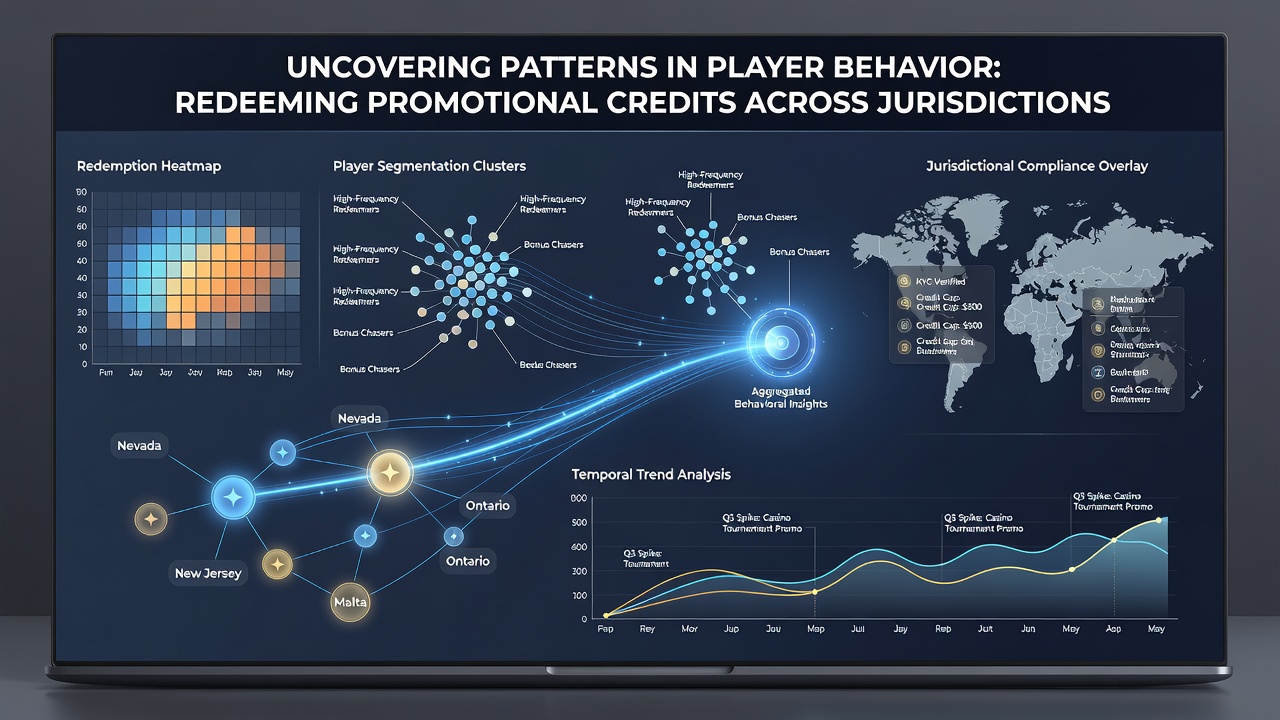
One study released through the University of Nevada, Las Vegas gaming research division examined cross-border account data and found that verification-heavy jurisdictions experience elevated rates of abandoned credits, defined as promotional balances that expire without any redemption attempt. The same analysis showed lower abandonment in systems that streamline age and address checks during initial account creation.
Tracking Influences on Timing and Volume
Payment method availability also interacts with licensing rules to shape redemption behavior. Jurisdictions that restrict certain e-wallet options for bonus play force players toward bank transfers or card methods, which in turn extend processing windows and alter the calendar distribution of completed redemptions. Observers note that these shifts appear most pronounced among users who maintain accounts in multiple regulated markets simultaneously.
Data sets compiled from platforms operating under both the Malta Gaming Authority and various U.S. state commissions reveal that players migrate redemption activity toward the jurisdiction offering the shortest clearance times when holding parallel accounts. This movement occurs without changes in overall credit volume, suggesting the pattern stems from rule differences rather than shifts in player spending capacity.
Conclusion
Patterns in promotional credit redemption continue to map closely onto the specific licensing conditions present in each operating jurisdiction. Transaction logs, verification timelines, and cross-market comparisons supply concrete indicators that operators and regulators use to anticipate player sequences. As additional markets release standardized reporting requirements, the granularity of these behavioral maps will increase, providing clearer views of how distinct frameworks steer redemption activity without relying on subjective interpretation.